![Български [BG]](/media/mod_languages/images/bg_bg.gif "Български [BG]")
![English [EN]](/media/mod_languages/images/en_gb.gif "English [EN]")

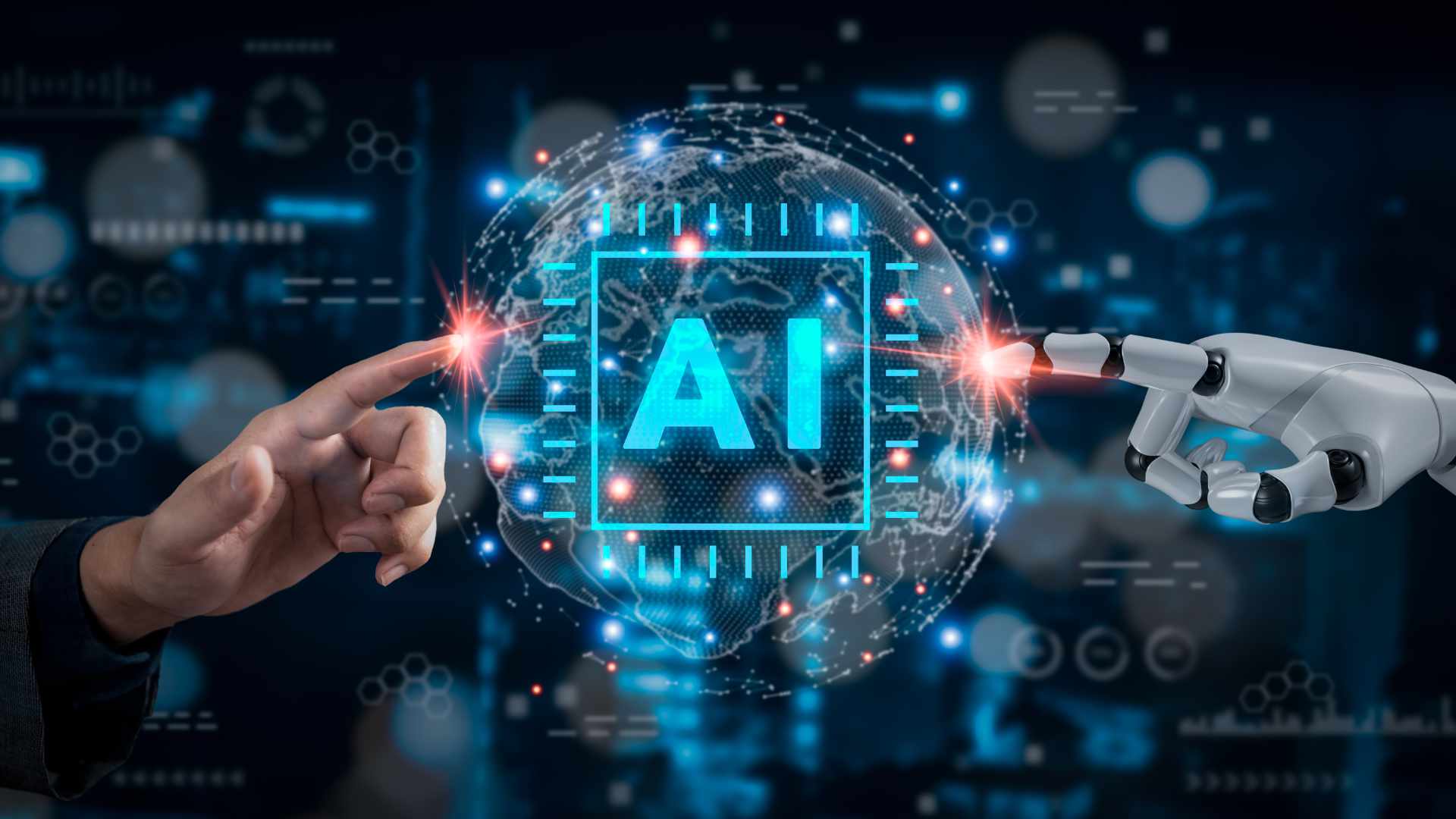
The deployment of humanoid robots in automotive manufacturing is no longer a futuristic scenario, but a real industrial practice.
In 2026, the automotive industry marked a new wave of pilot projects involving humanoid robots. BMW Group launched a pilot in Leipzig with “Physical AI” robots for battery and component assembly, while Mercedes-Benz is experimenting with Apollo in Berlin for logistics and inspections. Hyundai Motor Group plans to deploy Atlas in the United States by 2028, while Tesla continues the development of Optimus with limited public information.
The new humanoid robots offer autonomous navigation, multitask manipulation, and the ability to learn from humans. They combine physical artificial intelligence with advanced robotics, moving from laboratory testing to real production lines.
Process and Economic Perspective
Automotive manufacturing is a high-capital, complex system with minimal tolerance for errors. The deployment of humanoid robots requires careful assessment across three key dimensions:
- Process stability: The robot must maintain quality and reduce variability, especially in critical operations such as battery assembly or final inspections.
- Operational efficiency: Deployment must not create new points of failure; integration with MES and ERP systems is essential for synchronization between human and robotic operations.
- Economic return: The technology must reduce production costs, not merely shift expenses between departments or processes.
The flexibility offered by humanoid robots comes with complexity. They cannot operate in isolation: coordination with humans, automated cells, and information systems is required, along with strict compliance with safety and quality standards. Without an integrated approach, the risk of unforeseen deviations and operational issues increases significantly.
Critical Management Aspects
The deployment of humanoid robots in highly automated manufacturing introduces new management challenges. Algorithmic systems that adapt in real time require certification and control in an environment with zero tolerance for deviations. Companies must develop new frameworks for algorithm validation and establish processes for monitoring autonomous decisions.
In addition, the robot is not an isolated asset; its effectiveness depends on integration with MES, ERP, and traceability and quality management systems. Without reliable and structured data, autonomy can become a source of risk. A mechanical defect can be repaired locally, but an algorithmic defect can multiply across an entire production batch, requiring a new approach to control and preventive diagnostics.
This requires, from a management perspective, not only technical but also organizational measures, including staff training, updating safety and accountability protocols, and integrating autonomous robots into the company’s strategic objectives.
Realistic Forecast
If the pilots of BMW, Mercedes-Benz, Hyundai, and Tesla demonstrate measurable impact on battery production stability, reduction of labor dependency, and optimization of complex operations, deployment will remain selective rather than a mass revolution. The most likely scenario is integration into processes with high variability and labor intensity, where traditional automation is economically inefficient.
Humanoid robots represent a strategic move in a period of demographic pressure, electrification, and global competition. On their own, they do not guarantee competitive advantage. The true value lies in companies’ ability to manage integration, validate algorithms, and transform technological demonstration into measurable business results.

Dr. Yordan Balabanov
Expert in digital transformation, strategic approaches, and technology integration.
Words from the author:
“Digital transformation is not limited to technology implementation. It is a synergy of digital culture, strategic thinking, and expert competence – a long-term process that requires vision, knowledge, and resilience.”
LinkedIn | yordanbalabanov.com
Are you ready for strategic change through digitalization? Contact me for professional support.
Was this insight valuable to your business?
Download our free app TemplinTech Magazine on Google Play – no ads, no distractions, just focused business insights.
📲 Install from Google Play